Journal
Indian Flag History From Freedom Struggle to Tricolor Pride
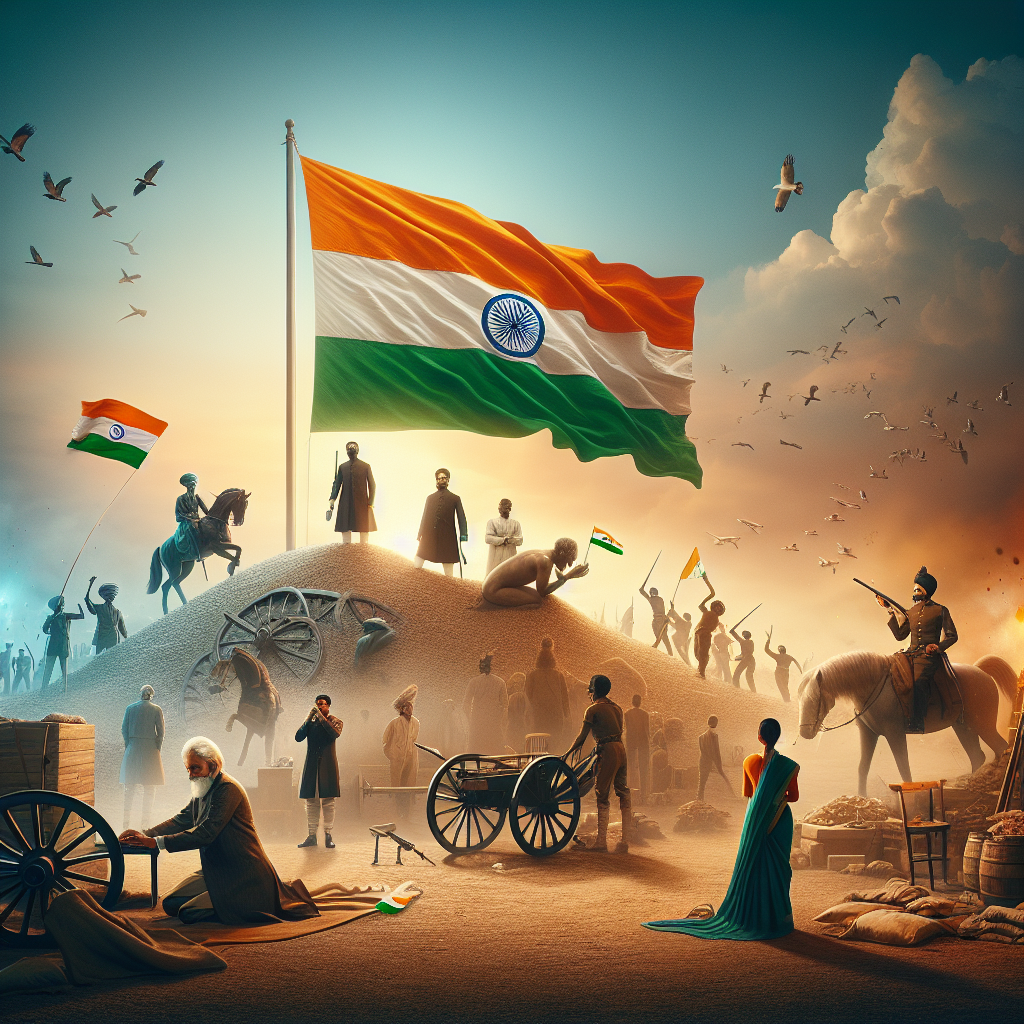
The vibrant colors of the Indian flag, flying high against the backdrop of a clear sky, are a powerful symbol of the nation’s unity and independence. But did you know that India’s journey to adopt the tricolor was filled with many trials and tribulations?  As we take pride in our national flag today, it’s compelling to reflect on its rich history, which mirrors the struggle and aspirations of a nation that fought valiantly for freedom.
The initial designs of what would eventually become the Indian national flag were deeply symbolic of the country’s diverse and pluralistic society. It was during the early 20th century, amidst a turbulent freedom struggle, that prominent leaders and activists started to envisage a flag that could unite the nation’s people and inspire them to stand together in the fight against colonial rule. Over the years, with each change in design, the essence of India’s perseverance and longing for sovereignty was skillfully woven into the fabric of the flag.
The tricolor flag that we proudly honor today is not only an emblem of India’s journey to freedom but also represents the unity, peace, and progress of modern India. Each color and symbol within the flag holds deep meaning, reminding us of the sacrifices made by our ancestors and the shared values that bind us as a nation.