
The ominous mushroom cloud is a symbol deeply ingrained in the collective consciousness of humanity. It serves as an unsettling reminder of the destruction that nuclear bombs are capable of unleashing. Yet, beyond this iconic image, there are numerous complex, harrowing events that unfold immediately and in the aftermath of a nuclear detonation. What really happens when a nuclear bomb detonates? 🤔
Picture a serene cityscape—one moment quiet and peaceful, the next, thrown into chaos with the blinding flash of a nuclear explosion. In mere seconds, the landscape transforms, and with it, the lives of countless individuals. Even situated miles away from the detonation site, people would be engulfed in fear and bewilderment, facing the immediate impacts of shockwaves and radiation. 🌆💥
While movies and literature often dive into dystopian portrayals, understanding the scientific breakdown of events following nuclear detonation offers a clearer view of reality, illustrating the chilling consequences of these formidable weapons.
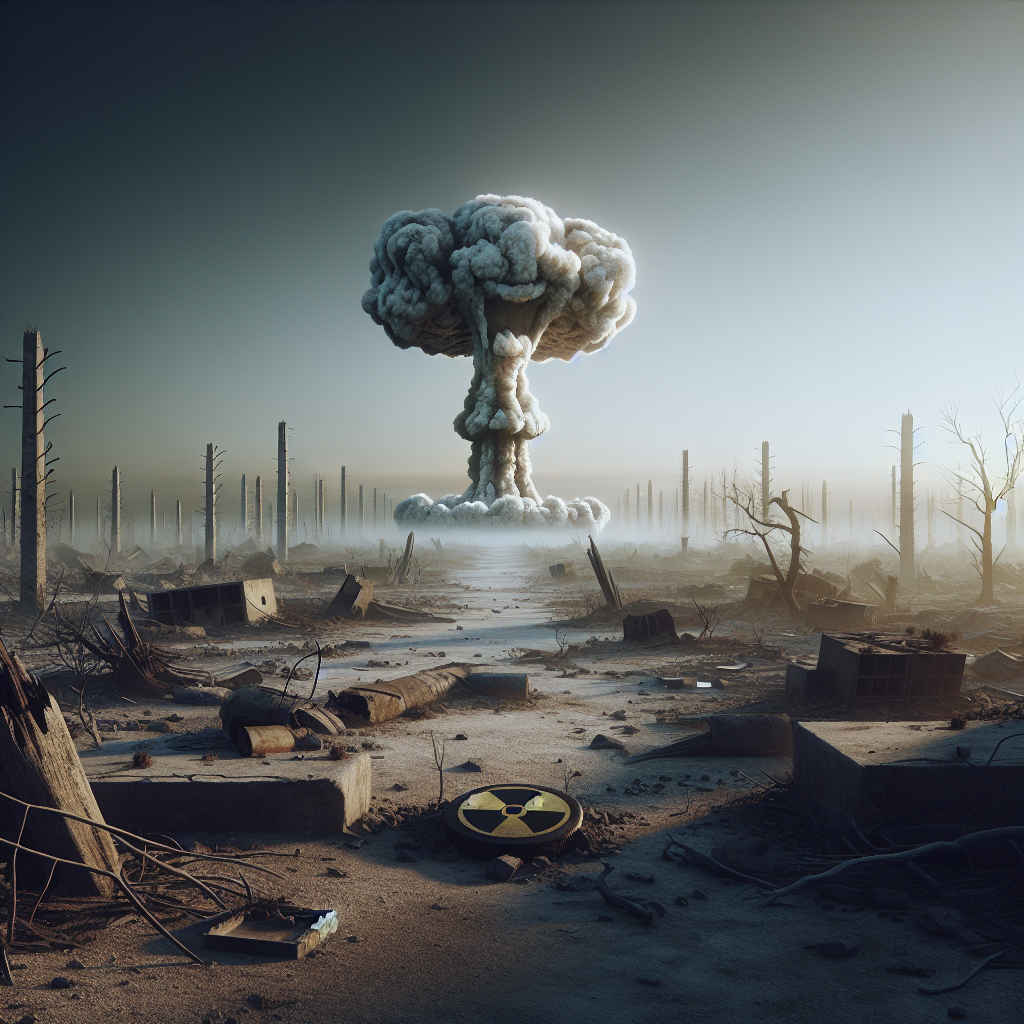
Initial Detonation and Immediate Effects
The Blinding Flash
When a nuclear bomb detonates, the first unmistakable phenomenon is a blinding light, often brighter than the sun. This flash can cause temporary or permanent blindness for anyone gazing at the eruption. The flash can ignite fires over vast areas, creating more chaos. 🔥👀
The Blast Wave
The explosion generates an intense blast wave, shattering structures and demolishing buildings in a vast radius. This shockwave is deadly, obliterating objects and damaging infrastructure far beyond the immediate point of impact. The wave’s force can blow people off their feet, causing severe injuries or death. 🏢➡️🌬️
Heat and Firestorm
Alongside the blast wave, intense heat from the explosion can create widespread fires. Temperatures soar, instantly vaporizing objects near ground zero. This heat can spark conflagrations, leading to firestorms consuming entire neighborhoods—a significant cause of casualties in such events. 🌡️🔥
Radioactive Fallout and Environmental Impact
Radiation Release
Nuclear detonations release massive amounts of radioactive particles into the atmosphere. These particles fall back to Earth with soil, ash, and dust, creating radioactive fallout. The exposure to this fallout results in acute radiation sickness, significantly increasing mortality rates in affected areas. 🧪🌧️
Contamination of Resources
After a nuclear explosion, the fallout can contaminate water supplies, agricultural fields, and food resources. This contamination, posing a public health risk, persists long after the detonation and contributes to food shortages and economic disruption. 🚱🌾🚫
Long-term Environmental Effects
The landscape and ecosystem are drastically changed following a nuclear blast. Topsoil becomes irradiated, and local flora and fauna are destroyed or mutated by radiation exposure. Recovery of the environment is a lengthy process requiring decades, unless aided by concerted remediation efforts. 🌍🔄🌿
Human and Societal Impact
Immediate Human Impact
The immediate human toll is catastrophic, with thousands potentially lost within the first few moments. Survivors suffer from severe injuries, burns, and radiation sickness
Share via: